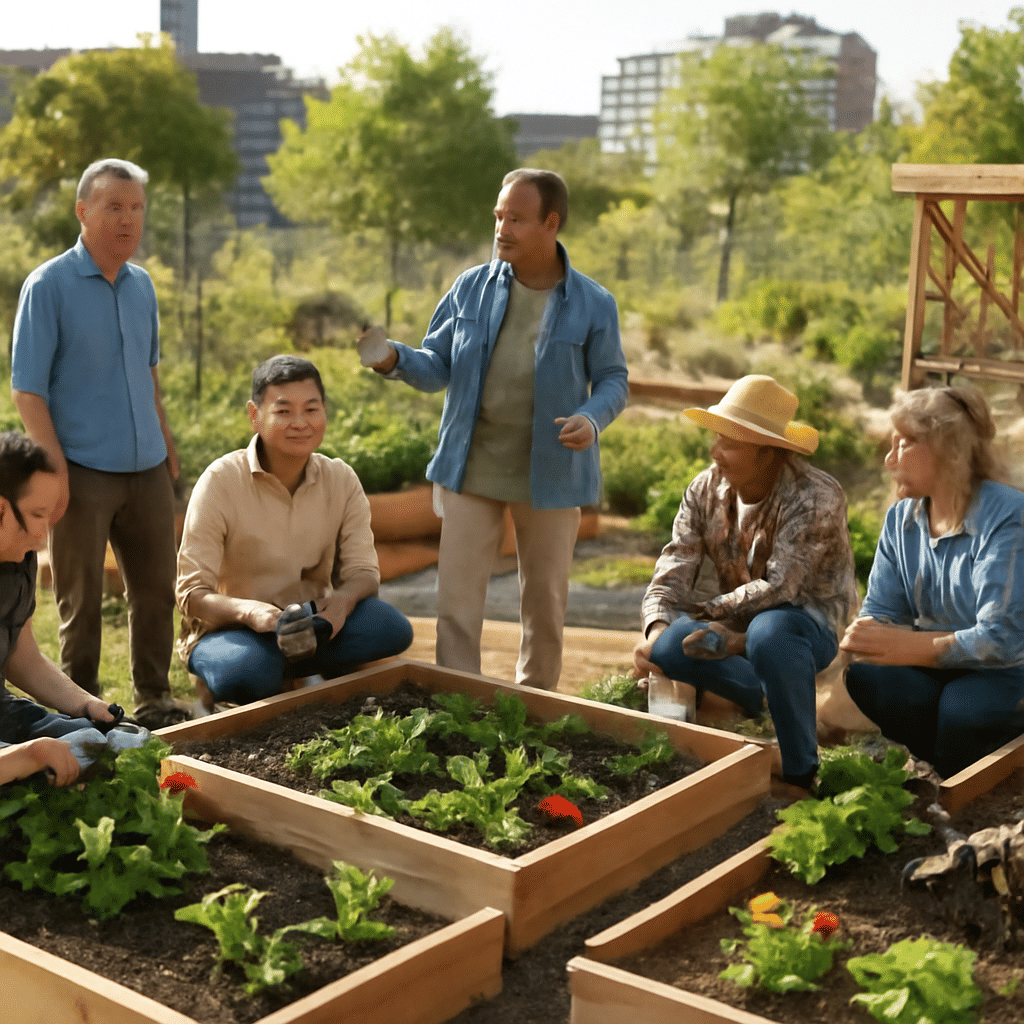
In an increasingly interconnected world, the essence of a strong community remains rooted in collaboration, shared goals, and mutual support. Community engagement, therefore, serves as a cornerstone for building such interconnected networks, offering a dynamic platform where individuals come together to learn, share, and grow. Educational workshops and collaborative projects lie at the heart of these initiatives, fostering an environment that bridges differences and celebrates diverse perspectives.
Educational workshops serve as a pivotal tool in the realm of community engagement, offering more than just an exchange of knowledge. These workshops are carefully crafted spaces that encourage interaction and participation. They cater to a variety of interests within the community—from digital literacy and financial planning to arts and environmental sustainability. By focusing on local needs and interests, these workshops ensure relevance and actively involve community members in the learning process. This not only enhances knowledge but also equips individuals with skills that empower them to take on leadership roles within their circles.
One of the most significant advantages of educational workshops is their ability to bring together people from different walks of life. They provide a neutral ground where differences in culture, age, and socioeconomic status are bridged by the common goal of learning. This mingling of diverse backgrounds leads to enriched discussions, novel solutions, and a deeper understanding of community dynamics. An elderly artisan sharing traditional craft techniques, for instance, or a tech-savvy youth teaching essential computer skills, represent the symbiotic exchange that strengthens community bonds.
Beyond learning, collaborative projects are a testament to what can be achieved when communities come together with a shared vision. These projects often begin with identifying a common goal or challenge within the community—be it improving local green spaces, organizing cultural festivals, or initiating health and wellness programs. Collaborative efforts ensure that solutions are not imposed but are instead organically developed from within the community.
The process of working on a collaborative project offers multiple benefits. It fosters a sense of ownership and pride among participants, knowing their contributions directly impact the community's welfare. Furthermore, such projects cultivate leadership skills, encourage creative problem solving, and build resiliency among community members. A cleanup drive led by locals, for example, not only enhances the neighborhood's appearance but also strengthens community ties through shared effort and camaraderie.
Another key aspect of community engagement through collaborative projects is the establishment of sustainable practices. These initiatives often prioritize long-term impact over short-term gains. A community garden project, for example, not only addresses immediate food accessibility concerns but also introduces sustainable agriculture practices that ensure future resilience and self-sufficiency.
Both educational workshops and collaborative projects thrive on partnerships. Schools, local businesses, non-profits, and government agencies can all play vital roles in supporting and nurturing these initiatives. Their involvement often brings in resources, expertise, and financial support, which amplify the impact of community activities. Moreover, these partnerships can extend the reach of local efforts, inspiring other communities to adopt similar models of engagement.
In sum, the spirit of community engagement is captured in the profound transformations that occur when individuals unite for a common purpose. Educational workshops and collaborative projects not only facilitate personal growth and development but also breathe life into the very fabric of community life. They remind us that, while the challenges of modern life can often feel daunting, they are surmountable through shared knowledge, mutual respect, and collective action. Through these initiatives, communities are not just brought together—they are empowered, enriched, and elevated.