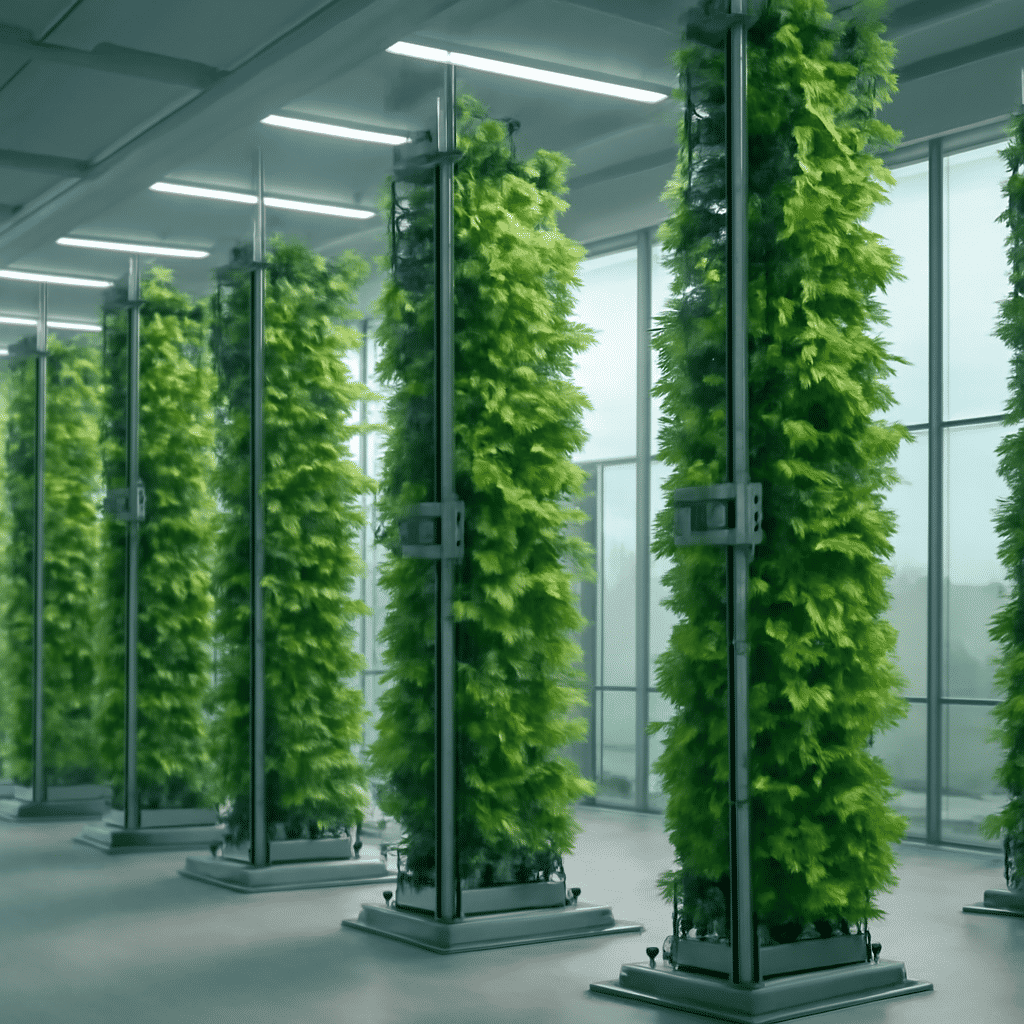
The dawn of the 21st century has ushered in a new era for agriculture, where traditional practices are blending seamlessly with cutting-edge technology to create smarter and more sustainable farming solutions. IoT-enabled smart farming is at the forefront of this transformation, offering a promising avenue to increase both efficiency and yield in agricultural endeavors.
At its core, smart farming leverages the Internet of Things (IoT) to monitor and manage various agricultural activities in real-time. The integration of IoT devices into farming operations has revolutionized the way farmers gather data and make decisions. These devices include an array of sensors, drones, autonomous machines, and advanced analytics platforms that work collaboratively to transform the agricultural landscape.
One of the primary benefits of IoT in farming is enhanced data collection. Sensors distributed throughout fields can continuously monitor soil conditions, moisture levels, and nutrient content. This data is pivotal in determining the optimal time for planting, irrigating, and applying fertilizers, thereby conserving resources and maximizing crop yield. By providing detailed insights into micro-climatic conditions and soil health, farmers can tailor their strategies to suit specific environments rather than relying on generalized practices.
Drones and satellite imagery add yet another layer of precision to smart farming. These technologies allow farmers to conduct aerial surveys of their fields, identify issues such as pest infestations, disease outbreaks, or hydration problems, and act promptly. The ability to detect these issues early can prevent loss and ensure healthier crops. Moreover, drones can be used to apply treatments precisely where needed, reducing chemical usage and minimizing environmental impact.
Autonomous machinery driven by IoT technology is also redefining farm labor. Tractors, combines, and other equipment are increasingly becoming self-operating, allowing them to perform tasks like plowing, sowing, and harvesting with minimal human intervention. This not only alleviates the labor shortage challenge faced by many farms but also boosts operational efficiency, since these machines can work tirelessly and maintain optimal precision.
Data analytics and machine learning are intrinsic to smart farming. The real-time data collected from IoT devices is analyzed and processed through advanced algorithms to provide actionable insights. These insights empower farmers to make informed decisions about crop management, market trends, and supply chains. Furthermore, predictive analytics can forecast yield outcomes, price fluctuations, and potential risks, enabling farmers to strategize effectively and reduce uncertainties.
The environmental impact of agriculture is also a focal point for IoT-enabled smart farming solutions. By optimizing resource usage, smart farming technologies help in conserving water, reducing greenhouse gas emissions, and minimizing waste. Furthermore, by harnessing renewable energy sources to power IoT devices and autonomous machines, farms can operate more sustainably.
Despite the clear advantages, the transition to smart farming does come with challenges. The initial cost of acquiring and implementing IoT technologies can be prohibitive for small-scale farmers. Additionally, there is a need for technical expertise to manage and maintain these systems. To address these challenges, it is imperative for policymakers and industry stakeholders to provide support through subsidies, training programs, and infrastructure development.
As innovation continues to accelerate, the potential for smart farming to revolutionize agriculture remains immense. By embracing IoT-enabled solutions, farmers not only stand to increase productivity and efficiency but can also pave the way for a more sustainable and food-secure future. In a world that is ever more reliant on technology-driven solutions, smart farming is sowing the seeds for a new era of agricultural excellence.