In recent years, the pressing challenges of climate change, resource depletion, and environmental degradation have propelled cities worldwide to rethink their development strategies and prioritize sustainable urban practices. These innovative approaches not only aim to mitigate negative ecological impacts but also strive to enhance the quality of life for urban dwellers, fostering a resilient and thriving urban future.
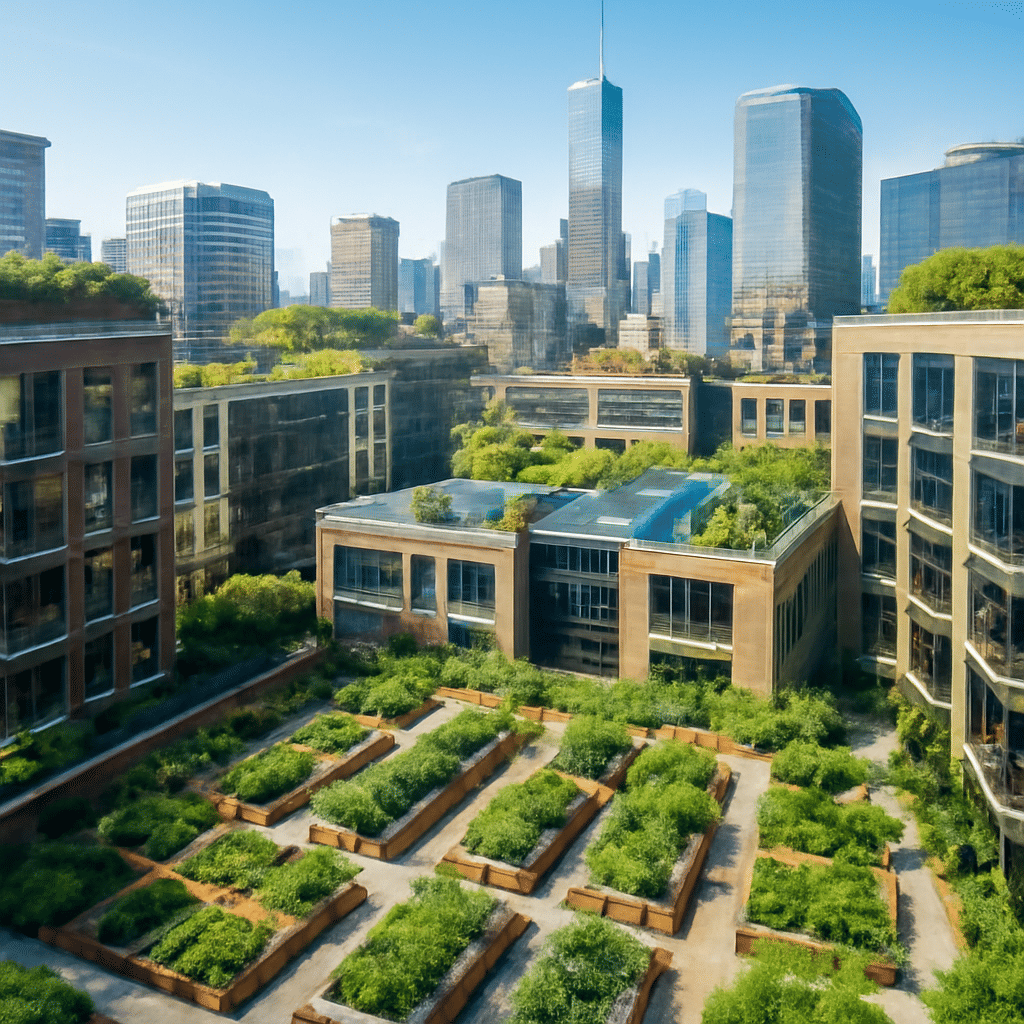
Central to sustainable urban practices is the concept of green infrastructure, which emphasizes the integration of natural systems into urban landscapes. This involves creating parks, green roofs, and urban forests that not only provide aesthetic and recreational value but also improve air quality, reduce urban heat, and manage stormwater. By allowing cities to breathe and adapt, green spaces serve as vital lungs for urban environments.
Another critical aspect is the shift towards sustainable transportation. Urban areas are increasingly adopting electric public transit, promoting cycling, and developing pedestrian-friendly infrastructure to reduce carbon emissions and traffic congestion. Car-free zones and extensive networks of bike lanes encourage residents to make environmentally friendly choices, which contribute to cleaner air and healthier communities.
Moreover, sustainable architecture and building practices are front-runners in the quest for a greener urban future. The implementation of energy-efficient designs, the use of renewable materials, and the incorporation of smart technology in buildings are transforming urban skylines. By targeting net-zero energy consumption, these strategies help reduce the carbon footprint of cities while offering long-term economic benefits to residents.
Waste management is another crucial factor in sustainable urban living. Cities are adopting zero-waste policies that focus on reducing, reusing, and recycling waste materials. Initiatives such as composting programs, recycling innovations, and waste-to-energy technologies are proving pivotal in minimizing landfill use and converting waste into valuable resources.
Water sustainability also holds paramount importance. Urban areas are implementing advanced water management systems that maximize efficiency and ensure the availability of this crucial resource. Techniques such as rainwater harvesting, wastewater treatment and recycling, and the protection of urban waterways are essential tactics that cities are employing to guard against droughts and ensure resilience against climate-induced water challenges.
Equitable urban development is another pillar of sustainable cities. Ensuring that all communities have access to the benefits of green initiatives is critical to the holistic sustainability of a city. Social participation and inclusion in urban planning, affordable housing initiatives, and policies aimed at economic opportunities for all are paramount to creating vibrant, diverse, and inclusive urban environments.
Furthermore, innovative use of technology and data is steering cities towards smarter models of sustainability. The advent of smart city technologies enables real-time monitoring of resources and infrastructure, allowing urban planners to optimize energy use, improve public services, and increase safety. This digital transformation empowers citizens, making cities more livable and efficient.
These sustainable urban practices not only tackle environmental challenges head-on but also serve as catalysts for economic growth and social equity. With the collective efforts of governments, private sectors, and citizens, urban areas can transform into resilient bastions of innovation and sustainability. As we shape the future of our cities, embracing these practices is crucial in ensuring that urban living not only thrives today but also for generations to come.